Discover effective melasma skin care options designed to fade dark patches and even skin tone. This guide highlights top products for different needs, from strong spot fade to gentle brightening. Best for those seeking targeted melasma treatment, post-blemish correction, or overall hyperpigmentation improvement. Ideal for users prioritizing clear explanations, ingredient clarity, and clear buy-now options.
Summary of selected products:
| Product | Brand | Key Benefit | Best For |
|---|---|---|---|
| Melasma Treatment for Face | Pharmlitalia | Targeted melasma and dark patches | Those seeking comprehensive facial melasma care |
| Melasma Treatment for Face Cream | CARE:NEL | 5% Niacinamide and 2% Cica for brightening and soothing | Users with sensitive skin needing soothing care |
| TOSOWOONG Arbutin 7% + Tranexamic Acid 4% | TOSOWOONG | High-concentration arbutin with TXA for rapid fading | Experienced users needing strong pigment correction |
| Ashania Dark Spot Corrector Serum | Ashania | Niacinamide + Vitamin C for brightening | All-over body and face with fast-acting glow |
| EnaSkin Dark Spot Corrector | EnaSkin | 5% Tranexamic Acid + Niacinamide + Renewal Peptide | Sensitive skin seeking gentler, peptide-based renewal |
Melasma Treatment for Face — Melasma Cream & Dark Spot Remover

Pharmlitalia’s Melasma Cream for Face targets stubborn patches and uneven pigmentation to even skin tone over time. The formula aims to fade discoloration and support a clearer complexion. The Dark Spot Remover Cream portion helps reduce sun spots, age spots, and post-acne marks for a more uniform look. A Skin Brightening Cream is included to gently brighten the complexion, supporting a luminous glow.
Best for: Individuals with mixed melasma concerns who want a combined option addressing dark spots, discoloration, and general brightening. Choose this if you prefer a multi-step approach in one kit. Caution: results vary by skin type and consistency is key.
Melasma Treatment for Face Cream — Centella Asiatica and 5% Niacinamide
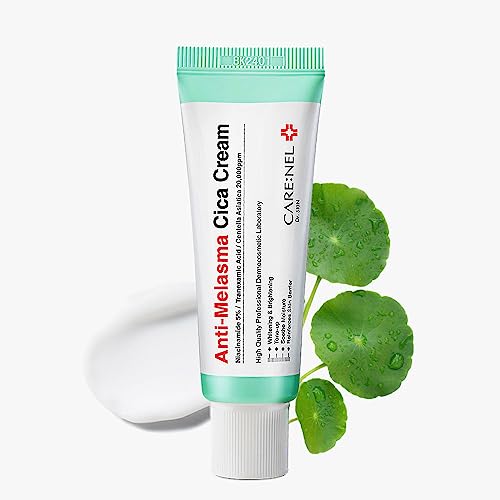
CARE:NEL’s Melasma Treatment Cream emphasizes brightening with 5% Niacinamide and soothing Centella Asiatica. It targets dull, uneven tone while reinforcing the skin barrier. The formulation also includes Tranexamic Acid to address discoloration such as dark spots, sun spots, and post-blemish marks.
Best for: Users with sensitive skin seeking a soothing brightening option that also addresses pigmentation concerns. Better for daily use due to soothing ingredients; avoid if you react to strong actives or prefer fragrance-free options.
TOSOWOONG Arbutin 7% + Tranexamic Acid 4% Cream

This high-concentration formula blends 7% Arbutin with 4% Tranexamic Acid and Glutathione to address post-inflammatory hyperpigmentation and other pigment concerns. It aims to fade discoloration while providing a soothing, non-sticky finish suitable for all skin types. Quick-acting hydration helps support comfortable wear.
Best for: Anyone needing rapid pigment correction with strong lightening actives. Caution: high arbutin and TXA concentrations can cause sensitivity in very reactive skin; patch testing is advised.
Ashania Dark Spot Corrector Serum — Niacinamide & Vitamin C

Ashania’s serum combines Niacinamide and Vitamin C to brighten uneven tone and diminish dark spots, melasma, and other discolorations. It’s designed for use on the face and body, providing a multi-area treatment with consistent daily use. The formula supports a luminous, more even complexion over time.
Best for: Users seeking a versatile, fast-acting brightening serum suitable for-face and body. Choose this if you want a daily-use serum with dual-action brightening and antioxidant support. Limitation: results rely on regular application and sun protection.
EnaSkin Dark Spot Corrector — Tranexamic Acid & Niacinamide

EnaSkin combines 5% Tranexamic Acid with Niacinamide and a renewal peptide to address dark spots from multiple angles. The acid-free renewal peptide helps shed pigmented surface cells gently, reducing redness and sensitivity while promoting a brighter, more even look. Suitable for sensitive skin types when used consistently with sunscreen.
Best for: People who want a gentler, peptide-supported approach that minimizes irritation while fading hyperpigmentation. Avoid if sensitivity persists to TXA or if you prefer heavy, acid-based formulations.
Buying Guide
What should you consider when selecting melasma skincare?
- Active ingredients: Niacinamide, Tranexamic Acid, Arbutin, Vitamin C, and Centella Asiatica are common choices. Each has different mechanisms for fading pigmentation and improving skin resilience.
- Skin type compatibility: Some formulas suit sensitive skin better, while others are better for oily or combination skin. Patch testing is advised for new actives.
- Treatment goals: If you want rapid fading, consider higher concentrations of brighteners such as Arbutin or TXA. For soothing and daily maintenance, Niacinamide and Centella-based products may be preferable.
- Sun protection: UV exposure worsens melasma. Choose products with an integrated sun protection plan or pair with a broad-spectrum sunscreen daily.
- Consistency and expectations: Most melasma treatments require several weeks to notice changes. Set realistic expectations and monitor skin response over 6–12 weeks.
Common buyer questions
- What ingredient most effectively targets melasma? Tranexamic Acid and Arbutin are widely used for pigment fading, often in combination with Niacinamide or Vitamin C for brightening.
- Can these products be used on the body? Many formulas are suitable for both face and body, but check the label for specific guidance.
- Is patch testing necessary? Yes, to rule out irritation, especially with higher-concentration actives like Arbutin and TXA.
- How long before results appear? Most users begin to see improvements after several weeks; full results can take 8–12 weeks with consistent use.
- Should I avoid retinoids with these products? Retinoids can increase irritation when combined; consult a dermatologist to plan a safe regimen.
- Do these contain fragrance or irritants? Many are fragrance-free or formulated for sensitive skin; verify the product label if you have sensitivities.
Frequently asked questions
- Can melasma be permanently cured with cosmetics? Cosmetics can fade and improve appearance but melasma is a pigmentary condition requiring ongoing maintenance and sun protection.
- Are natural ingredients effective for melasma? Natural actives such as Centella Asiatica may support soothing and barrier health, but results vary and may be slower than synthetic actives.
- Is professional treatment necessary? For stubborn melasma, dermatological therapies like chemical peels or laser may be recommended; topicals can still provide noticeable improvement.
- What is the role of sunscreen? Daily sunscreen is essential to prevent further pigmentation and protect progress.
- Can men use these products? Yes, melasma treatments are suitable for all genders; choose formulas based on skin type and sensitivity rather than gender.