Answer: To soften beard hair effectively, choose conditioning products that moisturize, tame stiffness, and reduce itch. This guide highlights five top options suitable for different beard types and needs. Whether you have a coarse beard, are seeking a lightweight leave-in, or want a multi-oil balm, these picks can help you achieve a softer, more manageable beard. The best choices balance hydration with ease of use and minimal residue.
| Product | Best For | Key Benefit |
|---|---|---|
| SheaMoisture Beard Conditioning Oil | Coarse or dry beards | Maracuja oil and shea butter for deep moisture |
| Bevel Beard Conditioner | Sensitive or starter beards | Coconut oil and shea butter smooths without heaviness |
| Honest Amish Beard Balm | Natural, handmade care | Softens coarse hairs; reduces itch and beardruff |
| MistySprite Beard Balm | Thicker, fuller beards | Biotin-based formula with castor, argan, jojoba oils |
| Leave In Beard Conditioner & Softener | Beard growth routines | Biotin-enriched for conditioning and growth support |
The following sections review each product, with notes on who it’s best for and practical considerations. Each entry uses direct, comparable language to help you decide quickly.
SheaMoisture Beard Conditioning Oil

Best for: Beards that feel dry or coarse. Why: This 3.2 oz oil blends maracuja oil with shea butter to provide deep moisture and a softer texture. It’s a lightweight option that can be applied daily without leaving a heavy residue. Caution: Oily-prone skin users should apply sparingly to avoid over-conditioning.
Bevel Beard Conditioner
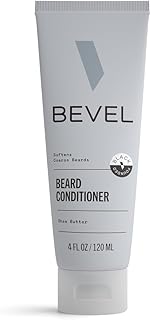
Best for: New or sensitive beards seeking a gentle routine. Why: Coconut oil and shea butter offer a balanced conditioning experience that softens without heaviness. Limitation: Availability may vary by region; ensure the product suits your skin type before daily use.
Honest Amish Beard Balm

Best for: Natural, handcrafted beard care. Why: Hand crafted in the USA, this balm softens coarse and rogue hairs and helps stop itch and beardruff. Limitation: The balm’s heavier texture may feel thicker on very fine beards; use a small amount to start.
MistySprite Beard Balm

Best for: Thick or growing beards seeking fullness and conditioning. Why: A 2x concentrate formula with biotin and natural oils (castor, argan, jojoba) supports conditioning and potential growth. Limitation: Stronger fragranced formulas may affect sensitive wearers—check ingredients if you have sensitivities.
Leave In Beard Conditioner & Softener

Best for: Daily conditioning and support for beard growth routines. Why: Biotin-enhanced formula aimed at softening hair while supporting growth. Caution: As a leave-in product, ensure it absorbs well to avoid residue—start with a small amount.
Buying Guide: How To Choose The Right Beard Softener
What should you consider before buying a beard-softening product?
- Hair type: Coarse, dry, or oily beards respond differently to oils, balms, and conditioners. Choose a product that targets your hair texture and skin type.
- Texture and finish: Oils tend to be lighter; balms offer more hold and conditioning. If you prefer a natural look, balance hydration with a non-greasy finish.
- Ingredients: Look for natural oils (argan, jojoba), shea butter, and biotin if you want conditioning plus potential growth support. Avoid heavy silicones if you dislike buildup.
- Application routine: Some products are best used daily, others as part of a weekly routine. Consider your grooming schedule when selecting.
- Allergy and sensitivity: Check for fragrances or botanical extracts that could irritate sensitive skin.
What’s the simplest routine for softening a beard?
For many, start with a lightweight conditioner or oil after washing. Apply a small amount, focusing on the mid-lengths to tips. If needed, follow with a balm at the roots to tame frizz without creating stiffness. Adjust frequency based on how your beard feels each day.
How do I know which product to choose first?
Consider your primary goal: softness with minimal residue (oil or light conditioner), or a stronger tame with conditioning (balm). If you’re unsure, start with a product labeled for daily use and light finish to test compatibility with your skin and hair.
Are natural products always better for softness?
Natural formulations can be gentler and less likely to irritate, but effectiveness varies by hair type. Start with a small amount to monitor results and skin reaction before committing to a full routine.
Can these products help with beard itch and beardruff?
Yes. Several listed products include ingredients that can soothe itch and reduce flaking when used consistently, such as balms with natural oils and unscented conditioners. Begin with short, regular applications to assess comfort.
Do these products work for all beard lengths?
Most products are versatile, but balms often perform best on longer or thicker beards due to added hold and conditioning. For short beards, oils and light conditioners may suffice for softness and manageability.
FAQ
- Q: What is the fastest way to soften beard hair?
- A: A light conditioning oil or balm applied after washing can quickly reduce stiffness and improve manageability.
- Q: Should I use conditioner daily?
- A: For many, daily use is fine if the product is lightweight; adjust to your beard’s response and skin sensitivity.
- Q: Is a balm better than an oil for softening?
- A: Balms provide conditioning with a bit more hold; oils are lighter and often preferred for very sensitive skin.
- Q: Can biotin help beard conditioning?
- A: Biotin-enriched products may support conditioning and growth indirectly, but results vary by individual.