Answer: For effective callus removal, choose a combination of a durable foot file or rasp and an electric callus remover for faster results. This guide highlights top tools suited for different needs: manual scrubbers for precision, electric devices for tougher skin, and dual‑action files for versatility. The best buyers are those seeking relief from dry, cracked skin or routine foot maintenance at home. The top five options below aim to cover beginners, frequent users, and gift shoppers alike.
Summary of selected products:
| Product | Best For | Key Benefit |
|---|---|---|
| Foot File Foot Scrubber Pedicure – Callus Remover (Golden) | Beginners; dry skin on feet | Durable manual file with dual surfaces |
| ZABOUL Electric Callus Remover for Feet | Faster results; tough calluses | Rechargeable, cordless operation |
| Electric Foot Callus Remover for Cracked Heels | Regular use; cracked heels | Rechargeable, portable design |
| Foot Callus Remover for Feet – Rechargeable Pedicure Tool | Waterproof use; versatile feet care | Waterproof and rechargeable |
| Fu Store 2 Pack Foot Files Callus Remover | Budget-friendly; dual‑sided file | Two packs; stainless steel surfaces |
Foot File Foot Scrubber Pedicure
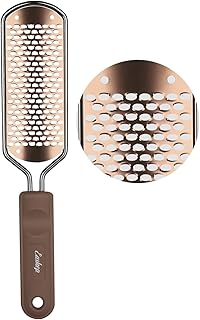
Best for manual control and beginners who prefer a simple, non‑electric option. The dual surfaces help with initial callus reduction and smoothing of dry skin.
ZABOUL Electric Callus Remover

Better for users who want cordless operation and quicker results on thicker calluses. The rechargeable design supports portable use, though it may require charging before first use.
Electric Foot Callus Remover (Cracked Heels)

Best for convenient, all‑in‑one foot care with a rechargeable motor. Suitable for users who want regular maintenance and portability, especially on the go.
Electric Foot Callus Remover (Rechargeable)
Best for users who want a durable, all‑round tool that can handle wet or dry feet. A caution: some models may require periodic blade or head replacements for continued effectiveness.
Fu Store Foot Files Dual Pack

Best for budget-conscious buyers and gifting. The two‑pack design provides a quick replace or option to use two surfaces for different skin types. Limitation: traditional steel files can wear faster with very thick calluses.
Best for: People who want a mix of manual and electric options to address varying callus levels and foot care goals. Each product offers distinct advantages, from low‑effort maintenance to hands‑on control.
Buying Guide: Key Considerations
- Manual vs. electric: Manual files offer control and lower cost; electric devices provide faster results on thick calluses.
- Surface material: Stainless steel and durable plastics resist water exposure; look for rust‑resistant tools for longevity.
- Water resistance: Waterproof designs enable safe use in the shower or bath and easier cleaning.
- Power source: Rechargeable units are convenient but require charging time; replaceable batteries add flexibility.
- Grip and ergonomics: A comfortable handle reduces hand fatigue during use, especially for larger areas of the foot.
- Maintenance: Clean tools after use; some surfaces are washable and reusable, others may need replacement parts.
- Skin safety: Choose tools with controlled abrasiveness to minimize skin irritation and avoid over‑sanding.
Frequently Asked Questions
- What is the best method to remove calluses at home?
– A combination approach often works: use a gentle manual file for smoothing and an electric remover for tougher areas as needed. - Can these tools be used on wet feet?
– Yes, many are designed for wet or dry use; check the product’s water resistance and follow posted guidelines. - How often should I replace the abrasive surface?
– Replace or refresh when effectiveness declines or the surface shows signs of wear. - Are electric callus removers safe for cracked heels?
– They can be effective, but use lower pressure and shorter sessions to avoid irritation; consult product instructions. - Which product is best for beginners?
– A simple manual foot file or scrubber is typically easiest to start with for beginners. - Is waterproof design important for maintenance?
– Water resistance eases cleaning and supports use in damp environments like bathrooms.