If you’re seeking glide-on exfoliation to improve texture, minimize dark spots, and refine fine lines, glycolic acid creams are a strong option. This guide highlights five well-matched choices for different skin concerns and routines. Best for beginners: gentler formulas that introduce exfoliation gradually. Best for glow seekers: higher-strength options that target dullness. Best for sensitive skin: hydrating bases that reduce irritation. Best for daily use: balanced blends that support continuous improvement. Below is a quick summary to help you compare at a glance.
| Product | Brand | Best For | Why It Stands Out |
|---|---|---|---|
| TOSOWOONG Glycolic Acid 10% Cream | TOSOWOONG | Texture refinement, dark spots | Moderate 10% AHA with panthenol and hyaluronic acid for smoother skin and hydration. |
| Replenix Glycolic Acid 20% Resurfacing Cream | Replenix | Discoloration, advanced exfoliation | Higher 20% glycolic acid in a lightweight, hydrating base. |
| A’PIEU Glycolic Acid AHA BHA Cream | A’Pieu | Clearer pores, gentle daily use | Balanced blend designed for smoother, clearer skin. |
| Glycolic Acid 15% Exfoliating Cream | Unspecified | Fine lines, dull texture | 15% AHA for visible texture refinement and revitalization. |
| CeraVe Exfoliating Treatment | CeraVe | Daily maintenance, sensitive skin | Glycolic acid in a dermatologist-backed line with supportive ceramides. |
TOSOWOONG Glycolic Acid 10% Cream for Dark Spots & Texture
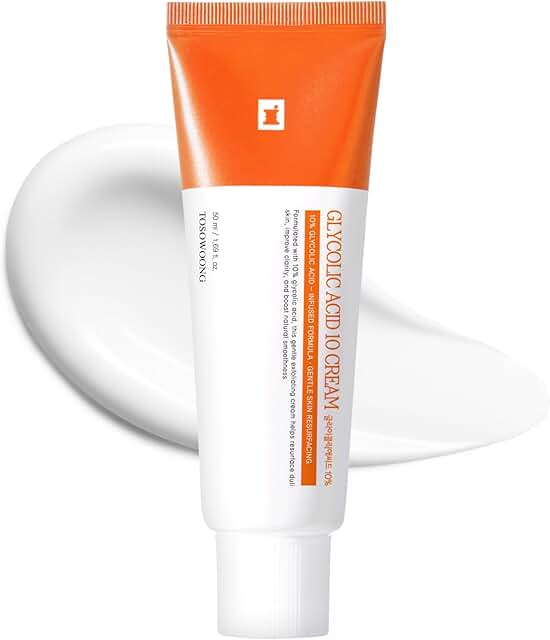
This cream uses a 10% glycolic acid formulation to address uneven texture and dark spots while supporting hydration with panthenol and hyaluronic acid. Best for: users who want noticeable exfoliation without too much irritation, and who prefer a moisturizing base. Limitations: outcomes depend on skin tolerance to AHAs, and daily use may require gradual buildup for sensitive skin.
Replenix Glycolic Acid 20% Resurfacing Cream

This product contains a higher concentration—20% glycolic acid—for more intense resurfacing in a lightweight, hydrating formula. Best for: those with pronounced texture concerns or discoloration who have built tolerance to AHAs. Better for: established exfoliation routines. Caution: higher potency may cause temporary irritation or redness in sensitive skin, so start with a patch test or lower frequency.
A’PIEU Glycolic Acid AHA BHA Cream

This cream blends glycolic acid with both AHA and BHA elements, aiming at smoother skin and clearer pores. Best for: users seeking a versatile option that can address multiple concerns like texture and oiliness. Choose this if you want a dual-action approach but monitor for potential irritation if you have sensitive or dry skin.
Glycolic Acid 15% Exfoliating Cream

This 15% glycolic acid formula targets dullness and the appearance of fine lines while refining uneven texture. Best for: users wanting a noticeable boost in radiance without stepping to the highest strength. Limitation: higher concentrations can be drying for some skin types; patch testing is recommended.
CeraVe Exfoliating Treatment with Glycolic Acid

From a dermatologist-recommended brand, this exfoliating treatment emphasizes glycolic acid in a formulation that supports the skin’s barrier with ceramides. Best for: daily or frequent use by those who want a gentle, supportive approach to exfoliation and texture improvement. Limitation: not ideal for users seeking very high-strength exfoliation in a single step.
Buying Guide
What strength should you start with? If you are new to glycolic acid, begin with lower concentrations (around 8-10%) and gradually increase frequency. For established users battling discoloration or stubborn texture, higher percentages (15-20%) can yield more visible improvements, but monitor for irritation and adjust usage accordingly.
Which base formulation matters? Hydrating or soothing bases help minimize irritation and support the skin’s barrier, especially for sensitive or dry skin. Look for humectants like hyaluronic acid, panthenol, glycerin, or ceramides in the ingredient list to improve tolerability.
How do you layer or combine with other products? Glycolic acid can be used with a broad-spectrum sunscreen, and you may pair with gentle moisturizers. If you use other active ingredients (retinoids, vitamin C), introduce them on alternate nights to reduce risk of irritation. Always patch test new products.
What are practical signs you should stop or adjust use? Excessive redness, burning, stinging, or peeling beyond light flaking suggests over-exfoliation or sensitivity. If these occur, reduce frequency, lower strength, or switch to a gentler product and consult a dermatologist if irritation persists.
FAQ
- Q: Are glycolic acid creams safe for daily use?
A: They can be safe for many users when started slowly and paired with sunscreen and a moisturizer. Start with every other night or a lower concentration and adjust as tolerated. - Q: Can glycolic acid improve dark spots?
A: Yes, glycolic acid can help exfoliate surface cells and promote a more even skin tone over time when used consistently. - Q: Should I avoid using glycolic acid with vitamin C?
A: It’s often best to alternate or use at different times of day to reduce potential irritation, especially for sensitive skin. - Q: What signs indicate irritation from glycolic acid?
A: Redness, burning, stinging, or persistent peeling beyond light flaking may indicate overuse or sensitivity. - Q: Do these creams require sunscreen?
A: Yes. Glycolic acid can make skin more sensitive to sun; daily broad-spectrum sunscreen is recommended. - Q: Which product is best for beginners?
A: A milder formulation with hydrating ingredients is usually best for first-time users to minimize irritation.