When your hair is dry and damaged, a nourishing conditioner can make a visible difference. This guide highlights five evidence-based options designed to restore moisture, strengthen strands, and reduce breakage. Each product targets common needs such as deep hydration, protein rebuilding, and color-safe care. Best for: active individuals with dry, brittle strands, color-treated hair, or those seeking long-lasting moisture without heaviness. The top picks include a mix of over-the-counter formulas that are widely available and suited for different hair types and routines. A quick compare table follows to help you choose quickly.
| Product | Brand | Best For |
|---|---|---|
| Dove Intensive Repair Conditioner for Damaged Hair | Dove Store | Deep repair, color-safe, everyday use |
| Nexxus KERAPHIX Conditioner for Damaged Hair | Nexxus | Protein-rich repair, long hair and heavy damage |
| Pantene Miracle Rescue Deep Conditioner | Pantene Store | Intense moisture, quick results |
| Virtue Recovery Conditioner | Virtue | Sulfate-free, color-safe |
| Nexxus Humectress Conditioner | Nexxus | Ultimate moisture, daily use |
Dove Intensive Repair Conditioner for Damaged Hair

Best for: daily repair of hair damaged by heat, color processing, or styling. The formula uses Glutamic Amino Serum and Bio-Protein Care technology to help restore strength with every wash, targeting breakage and visible damage. It’s suitable for those who want a conditioner that works well with other repair products in the same line.
Why selected: It emphasizes rebuilding protein strength and reducing visible damage, making it a practical all-around option for long hair or frequent styling.
Caution: Those with very fine, oily hair may prefer lighter formulas to avoid weighing hair down.
Nexxus KERAPHIX Conditioner for Damaged Hair
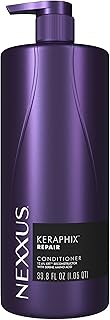
Best for: restorative treatment aimed at damaged, brittle hair requiring structural repair. While this entry provides limited feature details in this listing, the product is positioned as a keratin-rich repair conditioner designed to rebuild hair strength and reduce breakage over time.
Why selected: It targets damaged hair with a protein-focused approach, useful for those who prefer a salon-inspired repair routine at home.
Caution: Availability and details may vary by region; verify compatibility with your hair type before long-term use.
Pantene Miracle Rescue Deep Conditioner

Best for: ultra-nourishing moisture restoration for dry or color-treated hair. The Pro-V Pearls technology melts away damage from within, aiming to leave hair stronger, shinier, and more manageable after a single application.
Why selected: It promises multi-faceted repair—softening, restoring bonds, and improving overall texture—making it a solid pick for those seeking noticeable results quickly.
Caution: Fine or limp hair may require light-handed application to avoid heaviness.
Virtue Recovery Conditioner

Best for: users seeking a sulfate-free, color-safe option with a focus on repairing damaged hair while protecting color. This conditioner aims to hydrate and renew without harsh detergents.
Why selected: Its emphasis on a gentle, color-safe formula aligns with users who wash frequently or color-treat their hair and want a compatible conditioner in their routine.
Caution: Those needing heavy protein support may want to pair with a dedicated protein treatment if advised for their hair type.
Nexxus Humectress Conditioner for Ultimate Moisture

Best for: daily moisture boost to combat dryness, especially for thick or curly hair types needing lasting hydration. The formula focuses on sealing in moisture to improve elasticity and reduce frizz.
Why selected: It provides a reliable moisture layer that works well as a staple in a dry-hair care routine and pairs well with weekly deep-conditioning sessions.
Caution: For fine hair, use a smaller amount to avoid product buildup or heaviness.
Buying Guide
What should you consider when choosing a conditioner for dry, damaged hair?
- Hair type and goals: Do you need weightless moisture, protein repair, or color-safe care?
- Activity level: If you wash often or style with heat, select a formula designed for daily use or heat protection.
- Ingredients to prioritize: Look for proteins (keratin, amino acids) for strength, humectants (glycerin, propylene glycol) for moisture, and gentle surfactants if you have sensitive scalp.
- Fragrance and sensitivity: If you are sensitive to scents or have a reactive scalp, choose fragrance-free or milder options.
- Rinse-out vs. leave-in: For quick fixes, rinse-out conditioners are common; for ongoing repair, consider leave-in types if compatible with your routine.
How to use for best results
- After cleansing, apply conditioner mainly to mid-lengths and ends.
- Leave on for 1–3 minutes (or as directed) before rinsing for optimal moisturization.
- Pair with a weekly deep-conditioning treatment for intensified repair.
Frequently asked questions
- Q: Can conditioner repair damaged hair? A: Conditioners can improve strength and moisture, reducing appearance of damage, but deep repair often relies on a combination of products and consistent use over time.
- Q: Is silicone in conditioner bad for hair? A: Silicone can build up; use clarifying washes periodically if you notice buildup, especially with silicone-heavy formulas.
- Q: How often should I replace my conditioner? A: Replace if you notice reduced hydration, heaviness, or product buildup, or if your hair responds better to a different formulation.
- Q: Can I use conditioner on color-treated hair daily? A: Yes, many color-safe conditioners are suitable for daily use; check the product label for guidance.
- Q: Should I use a protein conditioner every wash? A: Use protein when your hair shows signs of weakness, but balance with moisture; too much protein can make hair feel stiff.
- Q: What’s the difference between a conditioner and a mask? A: Conditioners are lighter and designed for regular moisture, while hair masks are deeper treatments used less frequently for stronger repair.